Source eco friendly ceramic poker chips for Casino, Game, Gift
Compare 30 listings of eco friendly ceramic poker chips from Chinese manufacturers. Buyers can review specifications like 39mm to 55mm sizes, weight, and customization options for casino games, entertainment, and gifts.
Key considerations
Products List









Comprehensive Sourcing Guide
Strategic Sourcing Guide for Eco-Friendly Ceramic Poker Chips
Understanding the Material Profile and Technical Specifications
When sourcing ceramic poker chips, buyers must first distinguish between the material composition and the physical dimensions that define the product's utility. The core keyword "eco-friendly ceramic poker chips" implies a specific manufacturing approach, yet the available market data reveals a complex landscape of material claims. The supplied facts indicate that ceramic is a primary material option, often listed alongside plastic in various product listings. This suggests that while ceramic is a distinct category, it competes with plastic alternatives that may offer different sustainability profiles or cost structures.
The technical specifications for these chips are highly variable, requiring precise verification during the sourcing process. The observed standard sizes for round chips include 39mm, 40mm, 43mm, 46mm, 50mm, and 55mm. Some listings specifically highlight a 39mm dimension with a thickness of 3.3mm, while others note a weight of approximately 10g. For rectangular variants, the dimensions expand significantly, ranging from 6842mm up to 9558mm. These variations are not merely aesthetic; they dictate the feel of the game, the stacking height, and the compatibility with automated shuffling machines or chip racks.
Buyers should note that the "eco-friendly" designation often correlates with the material choice. Ceramic chips are generally favored for their durability and resistance to wear, which can extend the product lifecycle and reduce waste. However, the presence of plastic materials in the same search results necessitates a rigorous inquiry into the specific composition of the "ceramic" chips. Buyers must verify if the ceramic material is pure or if it contains binding agents that might affect its environmental profile. The production standard of 40mm is frequently cited, but the existence of multiple standard sizes indicates that customization is a viable path for buyers with specific table requirements.
Compliance, Certification, and Environmental Verification
A critical component of sourcing eco-friendly products is the verification of compliance and certification. While the provided data lists CE and FSC as low-confidence background items, these should not be treated as guaranteed attributes for any specific listing. The absence of high-confidence certification data in the supplied facts means that buyers cannot assume a supplier meets specific environmental or safety standards without direct confirmation.
The term "eco-friendly" is a marketing claim that requires substantiation. In the context of poker chips, this could refer to the manufacturing process, the recyclability of the material, or the absence of harmful chemicals. The supplied facts mention "High Temperature Thermal Transfer" as a craftsmanship method. This process is relevant to the application of logos and designs, which can impact the chemical composition of the final product. Buyers must inquire whether the inks and transfer processes used are solvent-free or low-VOC (Volatile Organic Compounds) to ensure the product aligns with true eco-friendly standards.
Furthermore, the "OEM" (Original Equipment Manufacturer) and "ODM" (Original Design Manufacturer) acceptance noted in the data suggests that customization is a standard service. This customization capability extends to the branding and potentially the material formulation. A buyer seeking eco-friendly chips should leverage this OEM/ODM flexibility to request specific material certifications. Since the data does not confirm specific certifications, the procurement strategy must include a requirement for the supplier to provide third-party test reports or material safety data sheets (MSDS) that validate the environmental claims. The "CE" and "FSC" mentions in the background data serve as reminders of what to look for, but they are not inherent guarantees.
Cost Drivers and Pricing Dynamics
The pricing structure for poker chips is influenced by several factors, including material type, customization level, and order volume. The observed price range in the market spans from $0.09 to $8.00 per unit. This wide disparity is primarily driven by the distinction between standard plastic chips and premium ceramic chips. Ceramic chips, due to their manufacturing complexity and material costs, typically occupy the higher end of this spectrum.
Order volume is another significant cost driver. The Minimum Order Quantity (MOQ) ranges from 10 pieces to 10,000 pieces, with specific listings showing MOQs of 50 pieces and 10 pieces. For buyers seeking eco-friendly ceramic chips, the cost per unit will likely decrease as the order volume increases, but the initial investment for a small batch of customized ceramic chips may be substantial. The "Accept to Custom" logo policy and the availability of customization services add a layer of cost variability. Custom molds, unique color schemes, and specific branding requirements will increase the unit price compared to standard, off-the-shelf inventory.
Payment terms also play a role in the financial planning of the procurement. The data indicates terms such as Western Union, T/T (Telegraphic Transfer), and "Pay later" options are available. These terms can affect cash flow and risk management. Buyers should negotiate payment structures that align with their budget cycles while ensuring sufficient leverage to enforce quality standards before final payment release. The sample time of 3 working days and mass production time of 7 working days suggest a relatively agile supply chain, which can help mitigate lead time risks, though these timelines are subject to the complexity of the customization.
Typical Applications and Usage Scenarios
The versatility of ceramic poker chips makes them suitable for a wide range of applications, from casual home entertainment to professional casino environments. The supplied facts explicitly list "Gift," "Entertainment," and "Game" as primary usage categories. Additionally, the "Application" field highlights "Chess-and-Card Room" and "Casino Game," indicating that these chips are designed for serious play as well as recreational use.
The "Mode" of operation is specified as "Manual Operation," which is standard for poker chips used in traditional table games. The "Age" recommendation is "Adult," suggesting that these products are intended for mature audiences, likely due to the nature of the games played with them. The "Member" count of 4-10 indicates that these chips are typically sold in sets designed for standard poker tables, accommodating a full house of players.
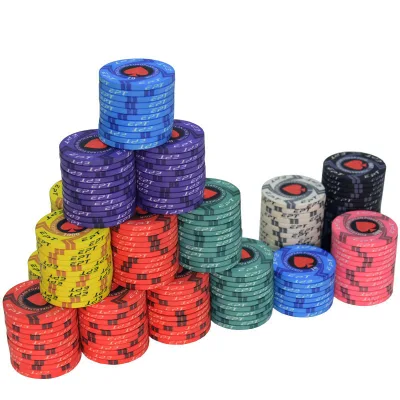
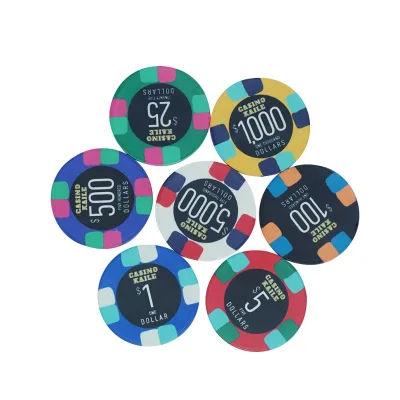
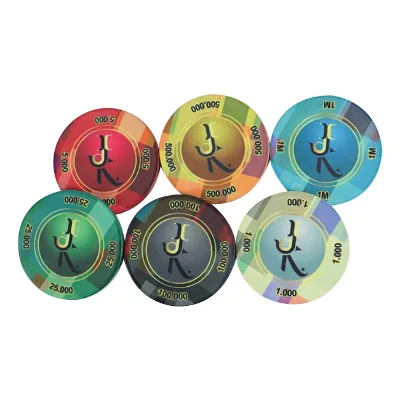
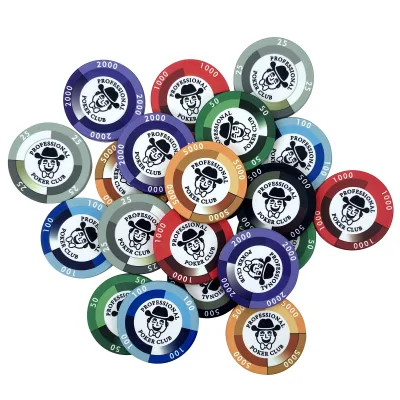
The "Time" attribute of 0.5-2 hours suggests that these chips are suitable for short to medium-duration gaming sessions. This duration aligns with typical poker games or casual card nights. The "Feature" of being "Waterproof" and "Easily Cleaned" is particularly relevant for applications where spills or heavy handling might occur. In a casino or high-traffic game room, the ability to clean chips quickly without damaging the surface or the printed design is a crucial functional requirement. The "Multicolour" and specific color options (white, red, blue, green, purple, black, pink, yellow, wine red, coffee) allow for the creation of distinct value hierarchies, which is essential for organized gameplay.
Supplier Evaluation and Customization Capabilities
Evaluating suppliers for ceramic poker chips requires a focus on their customization capabilities and production transparency. The data confirms that "Customization" is available and that the products are "Customized" in nature. The "Brand" is listed as "OEM" or "Yangming," indicating that many suppliers operate under private label arrangements. This is a common practice in the B2B market, allowing buyers to brand the chips with their own logos or designs.
The "Craftsmanship" of "High Temperature Thermal Transfer" is a key differentiator. This method ensures that the printed designs are durable and resistant to fading or peeling, which is vital for chips that are handled frequently. Buyers should verify the supplier's capacity to handle this specific craftsmanship and their quality control measures during the transfer process. The "Sample Service" status is noted as "Not Provided" in some listings, which is a critical piece of information. If samples are not readily available, buyers must rely on detailed product descriptions, images, and perhaps a trial order to assess quality.
The "Place of Origin" is consistently listed as "Fujian, China" or "Mainland China." This geographic concentration suggests a specialized manufacturing hub for poker chips. Buyers should consider the logistical implications of sourcing from this region, including shipping costs and lead times. The "Packing" is described as "Box," "Carton," or "Standard Carton Packaging According to Purchase Qu," indicating that packaging can be tailored to the order size and requirements. This flexibility is beneficial for buyers who need to optimize shipping costs or protect the chips during transit.
Quality Control and Long-Term Procurement Considerations
Ensuring consistent quality is paramount when sourcing ceramic poker chips, especially for commercial applications. The "Condition" of the products is listed as "New," but this does not guarantee the quality of the manufacturing process. Buyers must implement a robust quality control (QC) protocol. This should include verifying the dimensions against the stated standards (e.g., 39mm, 40mm, 43mm) and checking the weight consistency (e.g., 10g). Variations in weight can affect the feel and balance of the chips, which is critical for professional players.
The "Feature" of being "Waterproof" and "Easily Cleaned" should be tested. Buyers can request sample testing to ensure that the chips do not absorb moisture or degrade when cleaned with standard solutions. The "High Temperature Thermal Transfer" process should be inspected for adhesion and colorfastness. Over time, chips subjected to frequent handling and cleaning may show signs of wear; the quality of the transfer process will determine the longevity of the product.
Long-term procurement considerations involve establishing a reliable supply chain that can meet recurring demand. The "Mass Production Time" of 7 working days is relatively short, but buyers should account for potential delays during peak seasons or supply chain disruptions. The "Payment Term" flexibility, including options like "Pay later," can be leveraged to build a sustainable relationship with the supplier. Additionally, the "OEM/ODM" acceptance allows for long-term branding strategies, where the supplier can evolve the product design to match changing market trends or customer preferences.
Comparison of Material and Specification Options
To aid in decision-making, the following table summarizes the key variations in material and specifications observed in the market data. This comparison highlights the diversity of options available to buyers and underscores the need for specific verification.
| Feature | Ceramic Chips | Plastic Chips | Customization Options |
|---|---|---|---|
| Primary Material | Ceramic | Plastic | Available (OEM/ODM) |
| Standard Sizes | 39mm, 40mm, 43mm, 46mm, 50mm, 55mm | Variable | Custom sizes possible |
| Weight | Approx. 10g | Variable | Customizable |
| Durability | High (Waterproof, Easy Clean) | Moderate | Depends on finish |
| Craftsmanship | High Temp Thermal Transfer | Injection Molding | Custom logos/colors |
| Price Range | Higher end ($0.09-$8.00) | Lower end | Premium for custom |
| MOQ | 10-10,000 PCS | 1-10,000 PCS | Varies by supplier |
This table illustrates that while ceramic chips offer superior durability and a premium feel, the choice between ceramic and plastic depends on the specific application and budget. The customization options provide a pathway for buyers to differentiate their products in the market. However, the variability in specifications and the lack of guaranteed certifications mean that due diligence is essential. Buyers must move beyond the general market data and engage directly with suppliers to confirm that the specific product meets their eco-friendly and quality requirements.
Final Procurement Recommendations
In conclusion, sourcing eco-friendly ceramic poker chips requires a balanced approach that considers material science, supplier capability, and cost efficiency. The market offers a wide range of options, from standard 39mm chips to custom 55mm variants, with prices reflecting the complexity of the manufacturing process. The "High Temperature Thermal Transfer" and "Waterproof" features are significant selling points that align with the needs of serious gamers and casino operators. However, the absence of confirmed certifications in the supplied data necessitates a proactive verification strategy.
Buyers should prioritize suppliers who demonstrate transparency in their material sourcing and manufacturing processes. The ability to customize the product, including logos and colors, is a valuable asset that can enhance brand identity. By leveraging the flexible payment terms and short production times, buyers can manage their inventory effectively while maintaining high quality standards. Ultimately, the success of the procurement depends on the buyer's ability to navigate the diverse market offerings and select a partner who can deliver on the promise of eco-friendly, high-quality ceramic poker chips.
FAQs
What materials are used for eco friendly ceramic poker chips?
Ceramic is the primary material used for these chips, often listed alongside plastic options in product listings. Buyers must verify if the ceramic is pure or contains binding agents to ensure the environmental profile matches their needs.
Which standard sizes are available for ceramic poker chips?
Standard round sizes include 39mm, 40mm, 43mm, 46mm, 50mm, and 55mm, with some specific listings noting a 39mm dimension and 3.3mm thickness. Rectangular variants range from 68*42mm up to 95*58mm depending on the manufacturer.
How can I verify the eco-friendly certification of these chips?
Certifications like CE and FSC are mentioned in background data but are not guaranteed attributes for specific listings. Buyers should request third-party test reports or material safety data sheets to validate environmental claims before purchasing.
What is the typical price range for ceramic poker chips?
The observed price range spans from 0.09 to 8 USD per unit, driven by material type and customization levels. Ceramic chips typically occupy the higher end of this spectrum due to manufacturing complexity and material costs compared to plastic.
Can suppliers customize the logo and design on the chips?
Yes, suppliers accept OEM and ODM services, allowing for custom logos and designs using high-temperature thermal transfer. This customization capability extends to branding, though it may increase the unit price compared to standard inventory.
What are the minimum order quantities for ceramic poker chips?
Minimum order quantities range from 10 pieces to 10,000 pieces, with specific listings showing MOQs of 50 pieces. The cost per unit generally decreases as the order volume increases, but small batches may have a higher initial investment.
How long does mass production take for custom ceramic chips?
Mass production time is typically 7 working days, while sample time is around 3 working days. These timelines suggest an agile supply chain, though they may vary based on the complexity of the customization and peak season demand.